
Amid Rising Concerns, Denver Weighs Public Safety at Spring Events
As Denver's event season ramps up, city officials and residents grapple with how recent violence shapes safety planning for spring gatherings.
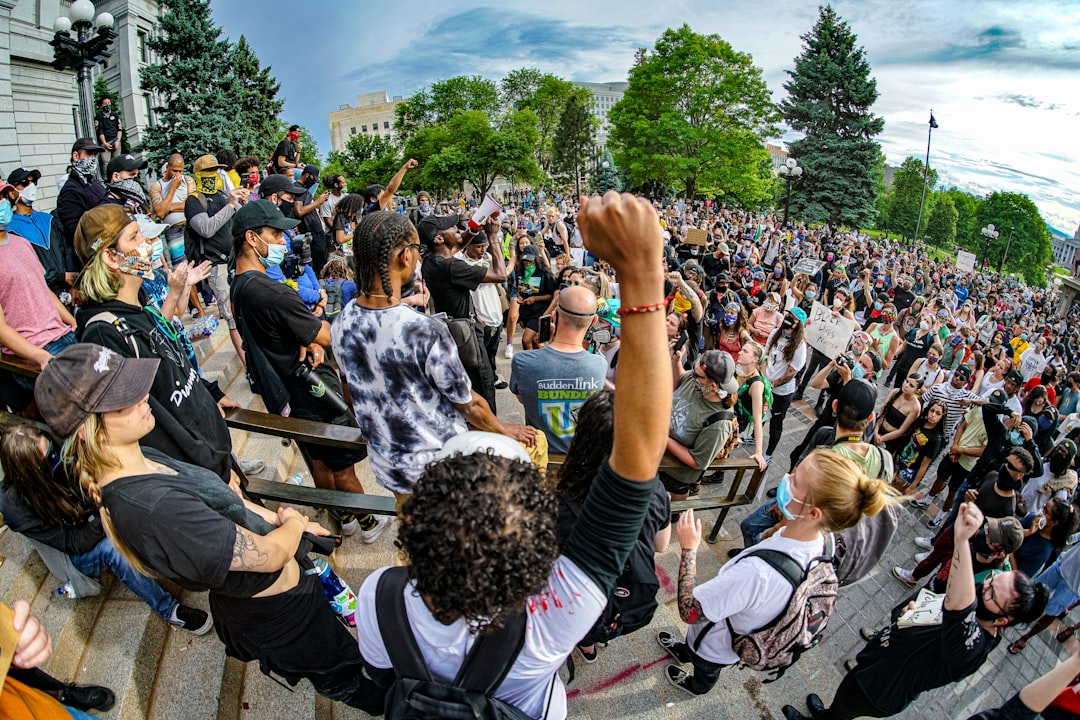
A City on Edge as Warm Weather Approaches
Denver’s spring event season is arriving against an unsettling backdrop. In just the past week, the city has recorded a string of violent incidents: a fatal shooting on South Broadway, a homicide on East Virginia Avenue that led to an arrest, a deadly road rage shooting, and the identification of a second victim killed in a shooting at a Denver park. Taken together, the cluster of cases has intensified public anxiety just as festival organizers, sports venues and neighborhood associations begin finalizing safety plans for the busy months ahead.
For a city that hosts hundreds of outdoor gatherings between April and September — from Cinco de Mayo on Broadway to summer concerts in City Park — the timing has put public safety planning under a brighter spotlight than usual. City officials, event organizers, civil liberties advocates and residents are now navigating overlapping questions: How much security is enough? What technology should police use? And who gets a say before contracts for that technology are signed?
A String of Violence Raises the Stakes
According to CBS News, a person was shot and killed on South Broadway earlier this month, one of several violent incidents reported across the city in recent days. Denver police also arrested a man suspected in a fatal shooting on East Virginia Avenue, CBS News reported. Separately, KKTV and Denver7 both reported that a person was shot and killed in what investigators believe may have been a road rage incident. And 9News reported that police have identified a second victim killed in a shooting at a Denver park, though details about a motive remain limited.
The Denver Gazette also reported on a separate case, an arrest in a fatal southeast Denver shooting tied to an alleged dispute over money.
None of the incidents reported so far appear to be directly connected to organized public events. But the frequency of the news over a short span has fed a broader conversation among residents and city leaders about visibility of security, response times and the resources dedicated to keeping large gatherings safe, especially as outdoor festival season approaches.
Event Organizers Lean Toward More Security
For organizers of Denver’s marquee spring and summer events, the string of shootings underscores long-standing pressure to invest heavily in visible security measures — additional off-duty officers, bag checks, barricades and camera coverage along parade and festival routes. Large-scale events on Broadway, in City Park, and along the South Platte River corridor typically require coordination between Denver Police, event producers and city permitting offices, and that coordination has taken on added urgency this spring given the recent violence.
City officials have not tied the recent shootings directly to event security planning in public statements, and none of the incidents reported this month took place at a permitted festival or gathering. Still, the drumbeat of local shooting coverage has shaped the public mood entering a season when tens of thousands of people are expected to gather outdoors across the city.
The Technology Debate: Axon and License Plate Cameras
Much of the public safety conversation in Denver right now isn’t only about boots on the ground — it’s about surveillance technology, and who controls it.
Denver City Council recently approved a new Axon contract to replace the city’s previous Flock camera system, a vote that drew sharp criticism from the ACLU of Colorado. According to the ACLU, the vote proceeded despite community concerns and organized calls for council members to reject the deal. The organization has raised concerns about the scope of surveillance technology used by police, questioning oversight, data retention and the potential for expanded monitoring of residents who are not suspected of any crime.
Separately, CBS News reported that Denver City Council approved a contract for a new automatic license plate camera reading system, expanding the city’s ability to track vehicle movement across Denver streets. Proponents argue that such systems can help investigators quickly identify suspects fleeing the scenes of shootings and other crimes — a capability that becomes especially relevant during high-traffic event weekends when large crowds and heavy vehicle congestion complicate police response.
Civil liberties advocates counter that automatic license plate readers and expanded Axon systems raise the risk of over-collection of data on ordinary residents, including those simply attending a concert, parade or festival. The ACLU of Colorado has specifically flagged concerns about oversight mechanisms and whether the public has enough insight into how the technology will be used, retained and shared with other agencies.
A New Layer of Scrutiny at City Hall
The debate over surveillance contracts arrives just as Denver City Council has moved to tighten its own contract review process, according to the Denver Gazette. The changes are intended to give council members more time and information before voting on major city contracts — including public safety technology deals like the Axon and license plate reader agreements.
The tightened review process reflects a broader recognition among some council members that decisions about surveillance tools, once approved, can be difficult to unwind. For a city balancing rising public concern about violent crime with equally vocal concerns about government overreach, the review process is likely to become a focal point for future contracts tied to event security and policing technology.
Residents Caught in the Middle
For many Denver residents, the calculus is less about ideology and more about daily life: they want to feel safe attending a summer concert in the park or a festival on Broadway without feeling like they’re under constant surveillance. That tension — between reassurance and over-policing — is likely to define much of the public conversation as event season ramps up.
City officials have not announced a specific link between the recent shootings and event-specific security plans, and there is no indication that any of the reported incidents were connected to a scheduled public gathering. But the timing has nonetheless shaped the environment in which Denver’s public safety decisions, including the license plate reader and Axon contracts, are being made and scrutinized.
Looking Ahead
As Denver moves deeper into spring, the city faces a familiar challenge: balancing the desire for visible, effective public safety measures at large events with legitimate concerns about surveillance overreach and civil liberties. The recent violence across South Broadway, East Virginia Avenue, and a Denver park has heightened public attention, even as the debate over camera technology and contract oversight continues at City Hall.
With council’s new contract review process now in place, Denver residents may get more visibility into how future public safety technology decisions are made — even as the city works to reassure the public ahead of a packed spring and summer events calendar.